Chicory Revitalization Project
What is the Chicory Revitalization Project?
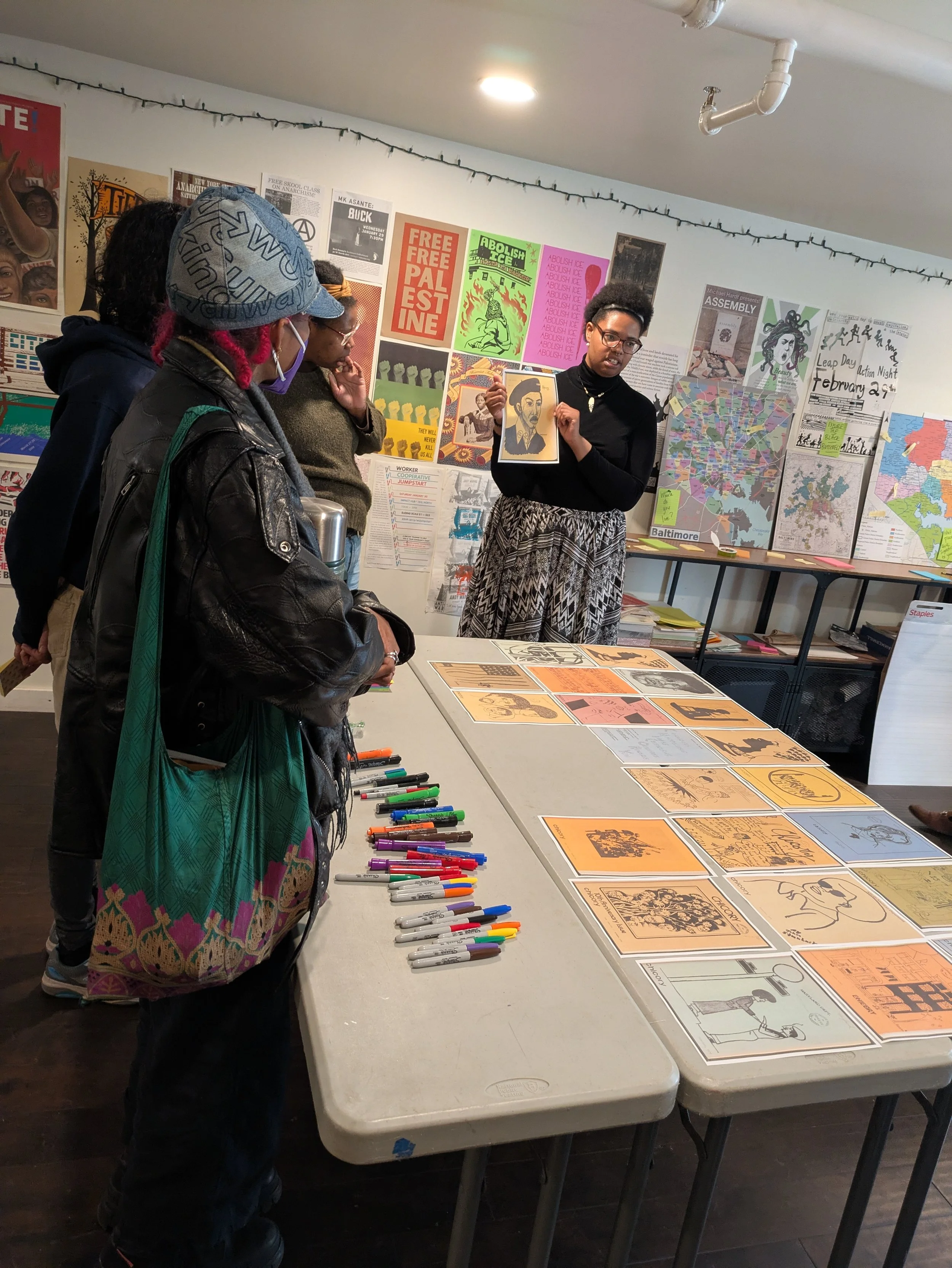
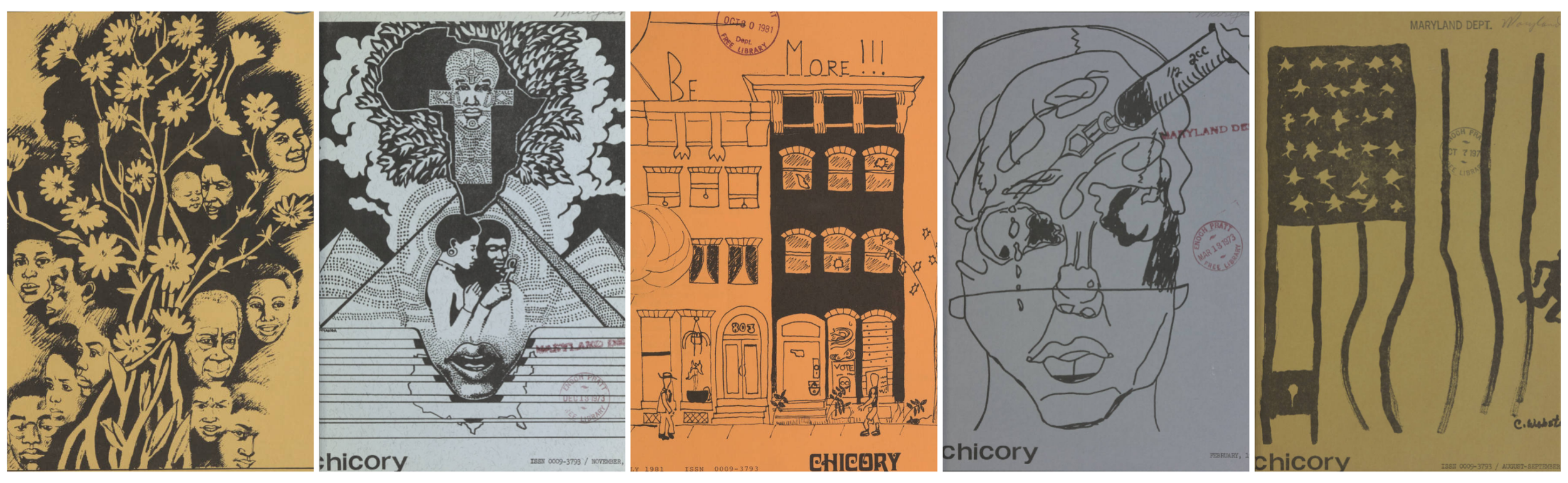
Since 2017, the Chicory Revitalization Project (CRP) has preserved and activated the archive of Chicory magazine. A poetry magazine published by the Enoch Pratt Free Library from 1966-1983, its 148 issues offer a window into a tumultuous time in Baltimore and the nation’s history. The Black Arts and Black Power Movements spurred communities to address inequities in the city through activism and art, including art as activism.
First edited by Sam Cornish, who became the poet laureate of Boston, Chicory took seriously the idea that the words of the people are poetry. It published, without editing, poems, stories, plays, and essays by people living in Baltimore’s poorest neighborhoods. It even published “street chatter,” or overheard anonymous conversations. Out of these pages, we can hear the voices of people usually left out of the historical record.
While the Chicory Revitalization Project focuses on the original archive of Chicory magazine, and showcasing its legacy - The Chicory Project seeks to carry that legacy further to show what Chicory can look like now.
It’s through the combined efforts of CRP and TCP that Chicory continues to evolve and grow.
CRP Begins
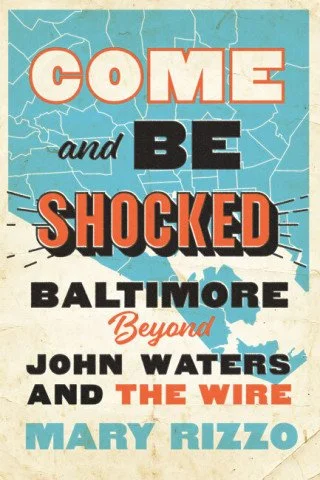
In 2014, Mary Rizzo rediscovered Chicory while researching her book,Come and Be Shocked: Baltimore Beyond John Waters and The Wire. She partnered with Pratt library to digitize the entire magazine and make it freely available through the Digital Maryland State Repository. Thanks to a seed grant from the Whiting Foundation, she created the Chicory Revitalization Project with community stakeholders in Baltimore, including Pratt library, Writers in Baltimore Schools, Dewmore Baltimore, and UMBC. Three of Chicory’s editors, Sam Cornish (who passed away in 2018), Melvin Brown, and E. Adam Jackson, have been advisors on the project.
The Chicory Revitalization Project uses the power of poetry to promote civic dialogue about place. CRP extends Chicory’s model of using vernacular and written poetry as community expression and civic dialogue into present-day Baltimore through our publications, a traveling exhibition, classroom and public workshops, events, and social media. Read more about our method of intergenerational dialogue and vision of poetry as emotional history in “Poems Written in the Same Place Decades Apart,” published in Public Humanities.
Learn about our activities below, or contact the CRP at chicorybaltimore@gmail.com. Follow the Revitalization Project on Instagram and on Facebook.
Baltimore’s Black Arts Then & Now:
Behind the Scenes of a Collaborative Public Humanities Project
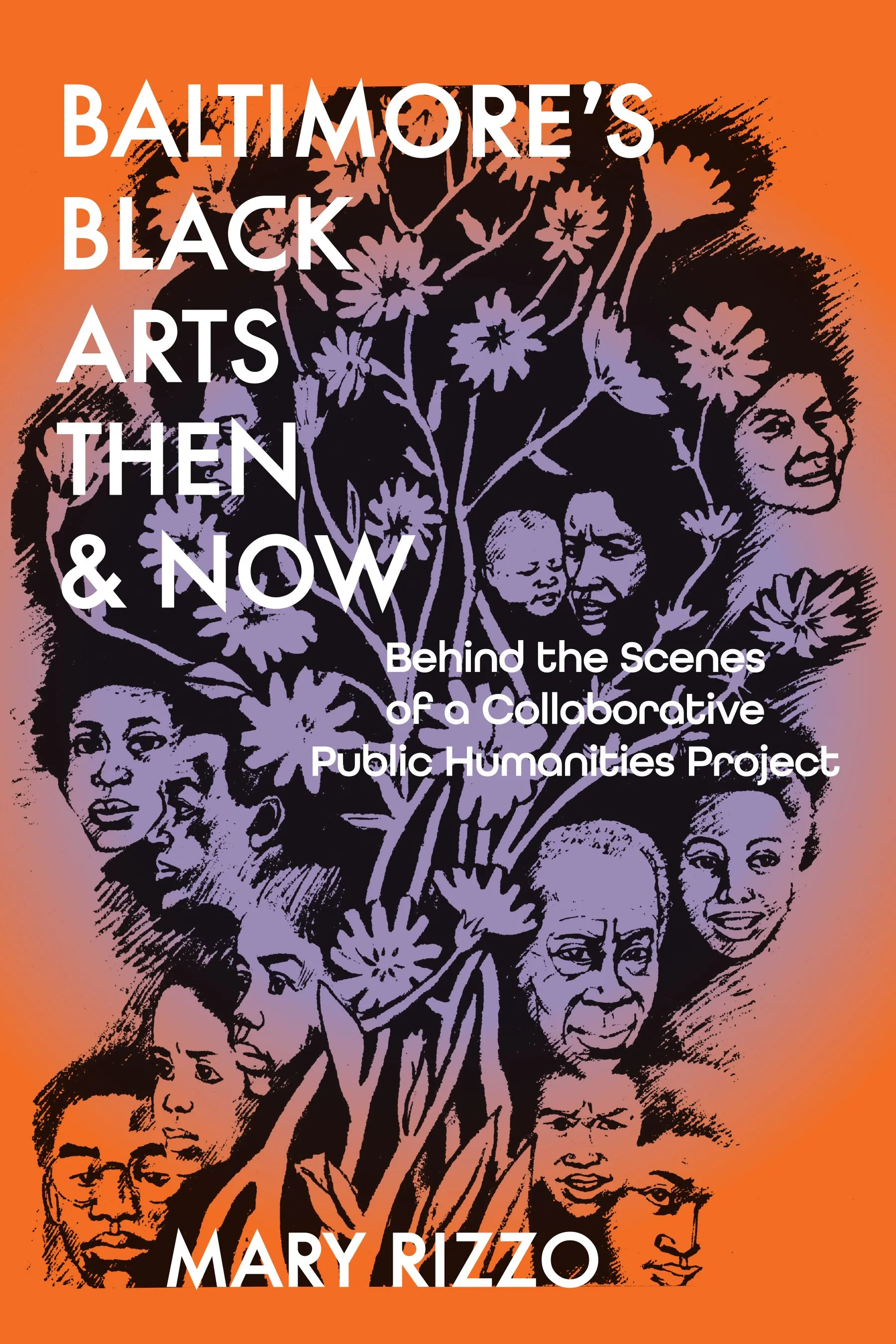
Baltimore’s Black Arts Then & Now brings to life the Chicory Revitalization Project, examining how a group of former Chicory editors, scholars, librarians, poets, teachers, and young writers have collaborated to use Chicory as a catalyst for intergenerational dialogue on social justice, race, and place. Baltimore’s Black Arts Then & Now documents our joint effort, offering valuable insights for public historians, educators, and humanists through chapters about ethics, collaboration, community archiving, using Chicory in the classroom, and restorative justice. Interspersed throughout are poetry broadsides, through which a contemporary Baltimore poet responds to a poem from Chicory, creating a dialogue across time and generations.
National Book Award winning poet and MacArthur Fellow John Keene says that, “Dr. Mary Rizzo and the Chicory Revitalization Project invite readers into an indelible example of Black community and collective artmaking, centered on the journal Chicory, that also represents a vital intervention in the intellectual and cultural life of Baltimore and the surrounding region. As this brilliant gathering shows, Chicory and the Chicory Revitalization Project represent artmaking as creation, self-realization, activism, education, transformation, and praxis, and provide an invaluable model for artists seeking to speak to the pressing concerns of today and every day.”
Learn more about the book here:
“In the Spirit Of: Creating Community Through the Public Humanities,” History@Work.
“Vernacular Poetry as Collective Memory,” International Federation of Public History.
Available through the University of Iowa Press, Amazon and wherever books are sold.